Why You Need To Play Chess: The Benefits of Taking Part In This Ageless Intellectual Obstacle
Chess is greater than an easy game; it serves as a rigorous psychological exercise that develops different cognitive abilities. Gamers participate in tactical thinking and develop problem-solving capabilities, which can have long-term advantages in everyday life. The self-control needed for renovation promotes perseverance and strength. Yet, truth significance of chess exists not simply in its intellectual needs but in the links it fosters within a neighborhood. Checking out these dimensions discloses much about why chess stays ageless.
Enhancing Cognitive Skills
Playing chess considerably boosts cognitive skills, making it a beneficial task for people of any ages. The video game needs tactical thinking and insight, requiring gamers to expect their challenger's moves while developing a winning method. This psychological exercise sharpens emphasis and concentration, important parts of cognitive function.

Additionally, chess encourages imagination, prompting gamers to discover ingenious methods and unique approaches to the game. As they navigate the chessboard, individuals create patience and strength, vital characteristics for cognitive growth. In general, the diverse cognitive benefits of chess make it an improving quest, promoting lifelong mental dexterity and intellectual engagement.
Increasing Problem-Solving Talents
Many research studies have revealed that participating in chess can substantially improve problem-solving capacities. The game needs players to examine intricate positions and anticipate the opponent's actions, promoting critical thinking skills. As they navigate various situations, chess players create the capability to examine several end results and make strategic decisions under pressure. This procedure boosts their capability to method real-life problems with a structured mindset.
Chess advertises the recognition of patterns and the application of rational thinking, abilities that are vital in reliable analytic. Players find out to examine risks and incentives, fine-tuning their judgment in unpredictable circumstances. The repetitive nature of chess play enhances these abilities, enabling people to transfer their enhanced analytic capabilities to academic and specialist contexts. Ultimately, chess functions as a useful device for anybody looking for to hone their logical skills and boost their general cognitive functioning in difficult situations.
Cultivating Persistence and Technique
While participating in chess can be an amazing experience, it also calls for a considerable degree of patience and technique. Gamers have to discover to meticulously take into consideration each action, considering possible end results and techniques. This thoughtful technique promotes a mindset that values lasting success over prompt gratification. In chess, rash decisions often lead to undesirable effects, enhancing the significance of taking one's time to evaluate the board and expect a challenger's reactions.
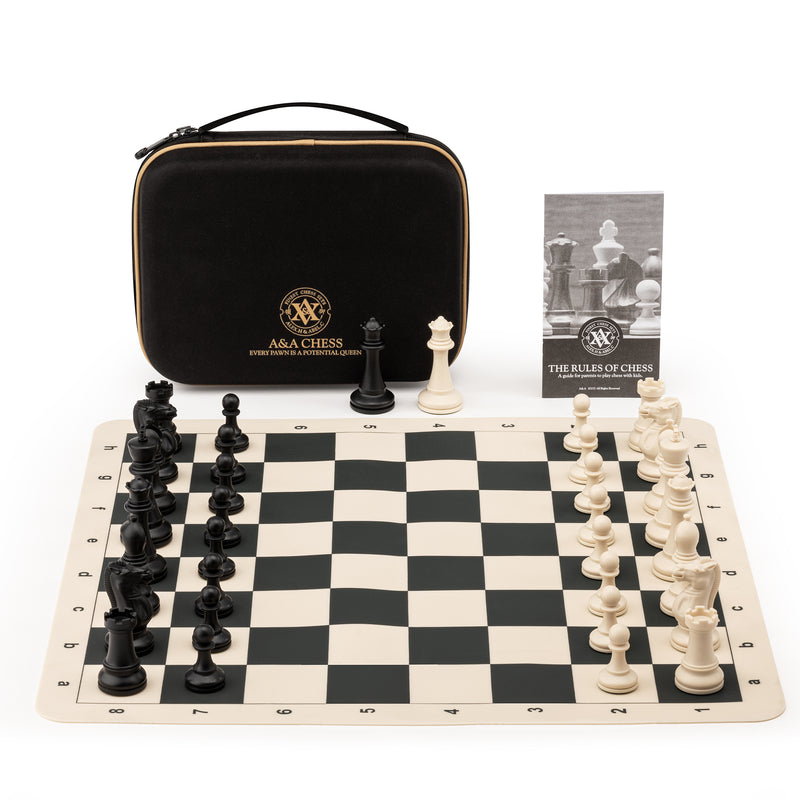
Technique is additional grown via constant technique and research. Players often commit hours to boosting their abilities, studying methods, and assessing previous games. This commitment to understanding the video game instills a feeling of duty and willpower, crucial characteristics that extend past the chessboard. Ultimately, the mix of persistence and technique not just improves a gamer's chess abilities however likewise adds to individual growth, equipping people with important tools for maneuvering difficulties in different aspects of life.
Cultivating Creativity and Creative Imagination
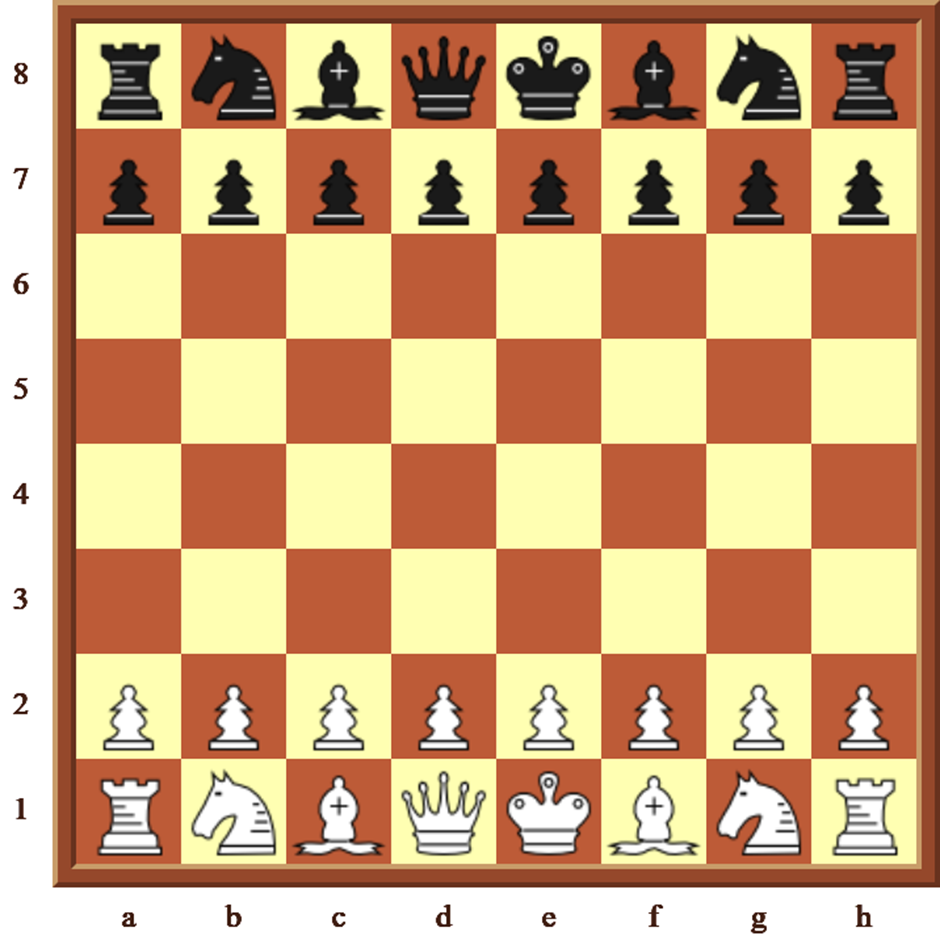
Planning moves includes not just logic however additionally the capacity to expect a challenger's responses, encouraging gamers to picture numerous pathways and choices. As gamers trying out various techniques, they find out to innovate and adjust, boosting their creative problem-solving abilities.
Additionally, the video game's intricacy welcomes gamers to explore non-traditional ideas and approaches, causing personal styles of play. This expedition nurtures a sense of imaginative expression, as each gamer crafts their very own approach to challenges on the board. Inevitably, chess comes to be a canvas for creativity, allowing people to reveal their special point of views while creating their imaginative capacities
Building Social Connections and Community
Playing chess provides possibilities for people to network through tournaments and local chess clubs. These settings cultivate connections among players, producing a feeling of area focused around a common enthusiasm. Engaging in these activities not just enhances abilities but additionally constructs long lasting relationships.
Networking Through Tournaments
When individuals participate in chess events, they typically find themselves immersed in a dynamic neighborhood of similar people. These events offer an exceptional platform for gamers to build connections, share approaches, and celebrate their passion for the video game. Participating in friendly official website competitors promotes camaraderie, as players from varied histories collaborated to challenge each other. Networking opportunities abound, with numerous participants creating long-term relationships that prolong beyond the chessboard. In addition, these events usually draw in sponsors and chess lovers, further enhancing the possibility for expert links. As players take part in discussions about tactics and experiences, they develop a network that can result in future collaborations and chances within the chess world and beyond.
Local Chess Clubs
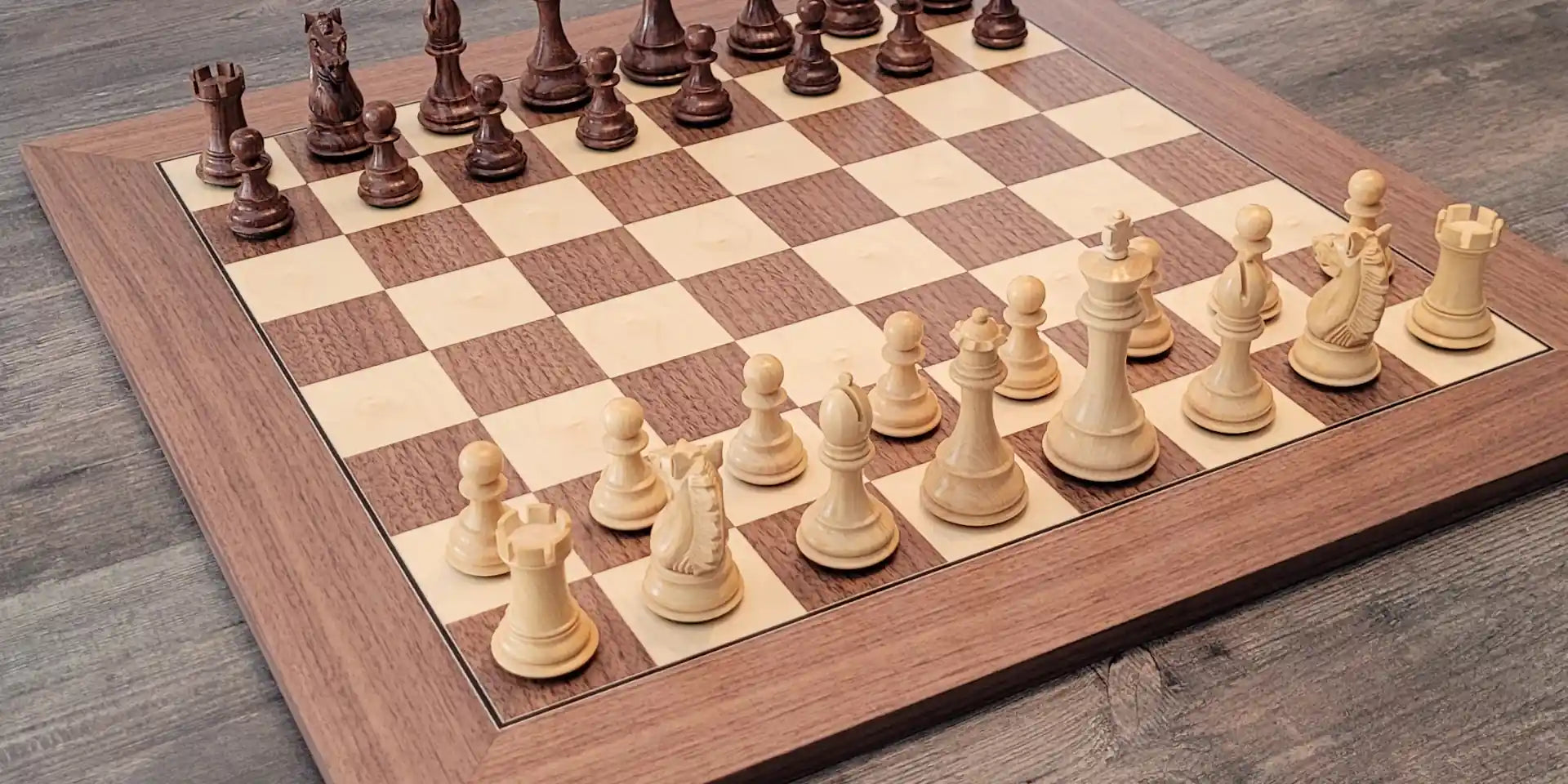
Providing a Fun and Involving Obstacle
Chess provides a distinctively stimulating experience that mesmerizes players of all ages, as it integrates strategic reasoning with the adventure of competition. This timeless video game presents an engaging difficulty, motivating people to believe critically and artistically. Each match unfolds as a battle of wits, where gamers click here for more need to anticipate their opponent's steps while devising their own techniques.
The intellectual engagement chess gives is matched by its capacity to entertain. Players usually find themselves immersed in the game, losing track of time as they browse complex positions and tactical issues (Chess). This enhanced emphasis cultivates a feeling of accomplishment, particularly when a tough move leads to triumph
Chess promotes social interaction, enabling gamers to bond over common top article experiences and obstacles. The game's limitless variations guarantee that no 2 sessions are alike, keeping participants enthusiastic to improve their abilities and methods. This dynamic blend of obstacle and enjoyment makes chess an alluring pursuit.
Frequently Asked Inquiries
Can Chess Be Played Online or Just in Person?
Chess can be played both online and in individual. On the internet systems supply players the convenience of contending versus opponents worldwide, while in-person video games cultivate social communication and physical existence, enhancing the total experience.
What Age Is Ideal to Beginning Understanding Chess?
Specialists suggest that kids can begin discovering chess as very early as age 5 or six. At this age, they can realize basic ideas, improving cognitive abilities while cultivating a love for the game that lasts a lifetime.
Are There Chess Tournaments for Beginners?
Yes, there are chess competitions particularly developed for newbies. These occasions give a supportive environment for amateur gamers to gain experience, boost their abilities, and delight in the competitive spirit of chess without facing advanced opponents.
How much time Does It Take to Come To Be Skillful at Chess?
Becoming skilled at chess commonly calls for regular method over numerous months to years. Aspects such as private commitment, previous experience, and research of strategies greatly affect the time needed to reach a skilled level.
What Resources Are Offered for Discovering Chess Techniques?
Countless sources exist for learning chess approaches, including on-line tutorials, publications by prominent authors, chess applications, and interactive sites. Numerous gamers also gain from joining regional clubs or taking part in on the internet forums for real-time understandings.
Comments on “Chess and Engines: How Computers Changed the Game”